
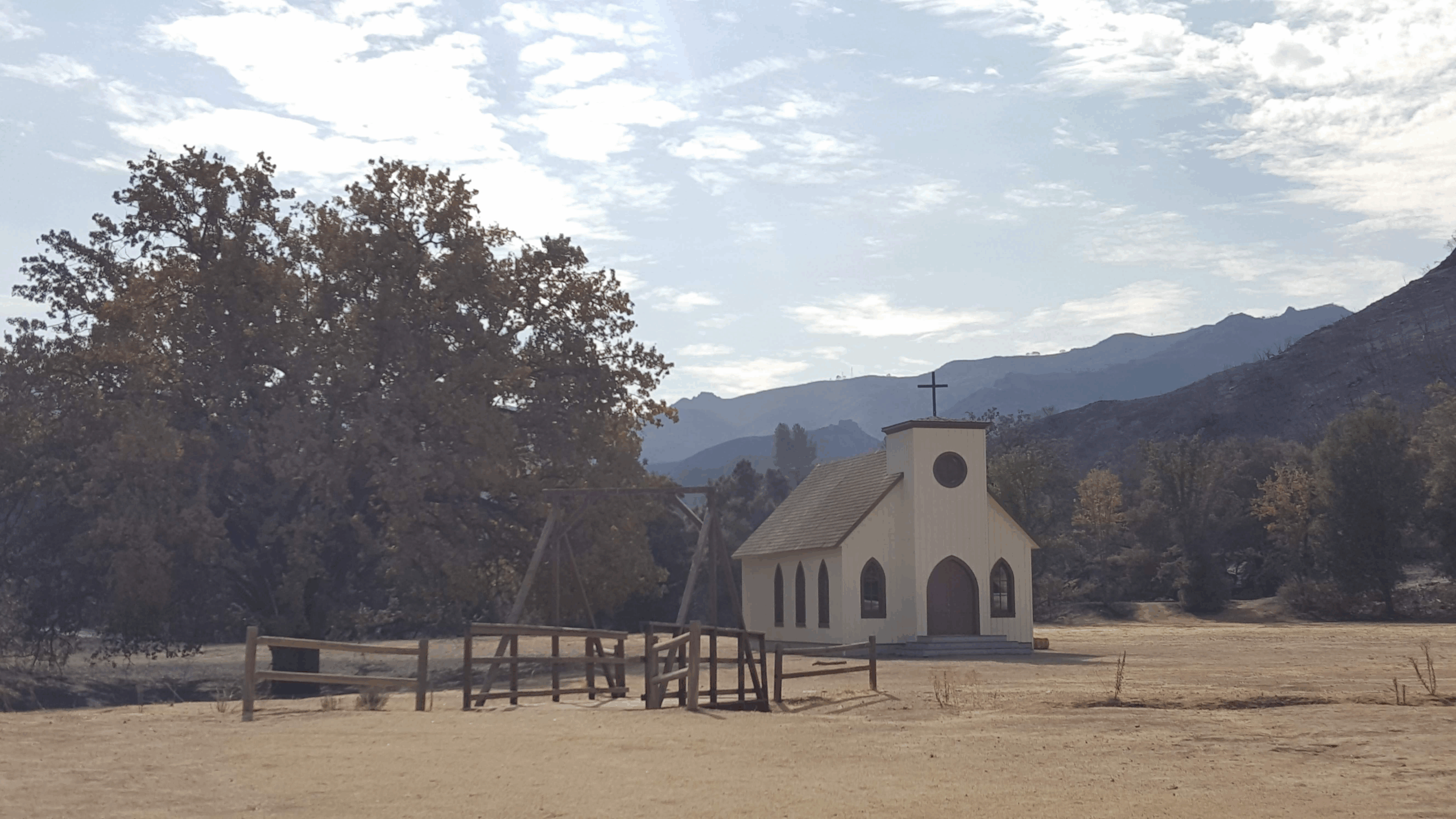
Quiet on the Set! Your Guide to Discovering 10 Old Studio Ranches
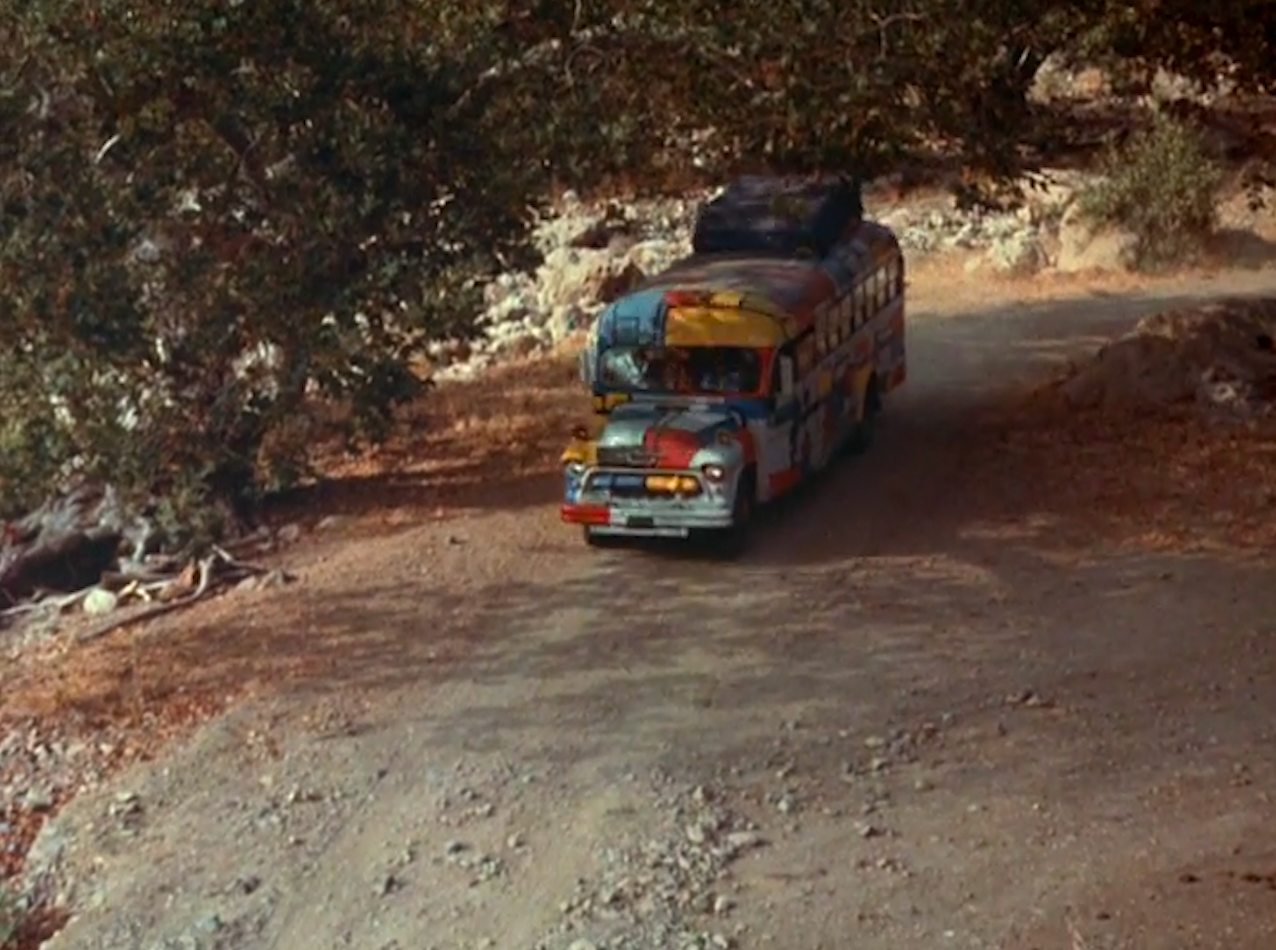
The Partridge Family bus in action at Malibu Creek movie ranch.
You might have gone hiking near Agoura Hills the Santa Monica Mountains or driven past the scrubby hills by Chatsworth and thought, “I’ve seen this before.”
Or maybe you’ve gone jogging with a friend when you suddenly realized you’re maneuvering the same dusty trails where Hawkeye Pierce drove his Jeep in M*A*S*H* – or cresting the same boulder-strewn hills John Wayne did in Stagecoach.
These landscapes are shockingly familiar because Hollywood borrowed them over and over again, asking Southern California to stand in for Texas, Africa, the Old West, outer space, and sometimes all of the above.
What’s that you say? You live Wisconsin, and this has never happened to you? But you’re fascinated with the idea of visiting an old filming location in Tinseltown.
We’ve got you covered.
This is a mini guide to outdoor movie locations that have been turned into parks you can include in your next West Coast road trip vacation.
Before studios built soundstages the size of airplane hangars, they needed land. A lot of it. Somewhere actors could ride horses, get dusty, fall off things, and do it all again the next day. Movie ranches were the solution—large tracts of land just outside Los Angeles where the industry learned how to tell stories outdoors.
Many of those ranches are gone now. Covered over by housing and industry.
But a surprising number survived by becoming parks. Today, you can walk them, picnic on them, let your dog sniff around where Clark Gable once paced, and mostly be left alone to daydream.
Paramount Ranch (Agoura Hills)
Paramount Ranch is the easiest place to understand what a movie ranch was. The streets are laid out like a town because it was one—just not a permanent one. Built in the late 1920s, Paramount Ranch hosted hundreds of Westerns, TV shows, and genre films. Sets went up, burned down, got rebuilt, and burned down again.
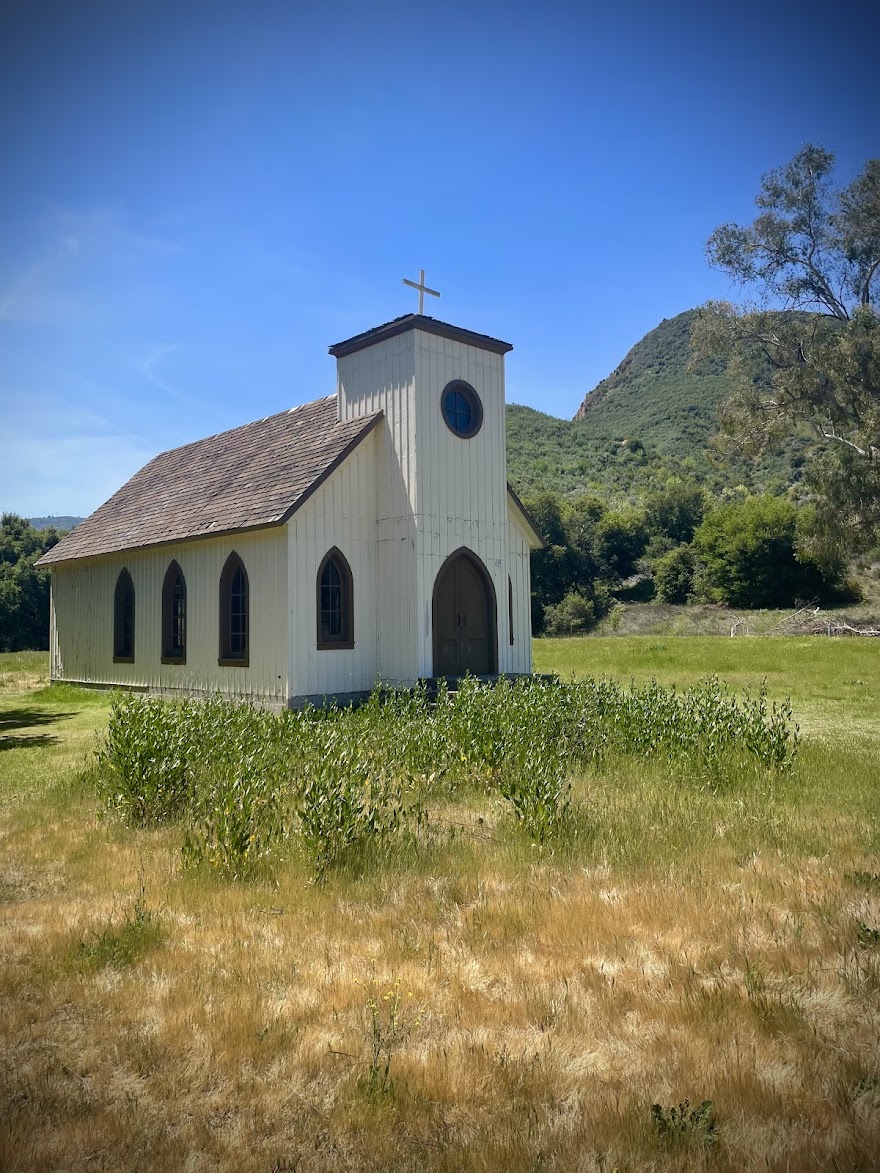
Paramount Ranch today is part of a national recreation area
Today it’s part of the Santa Monica Mountains National Recreation Area. The Park Service rebuilt the Western town after the 2018 Woolsey Fire, and while it’s quieter now, you can still feel how much work happened here. It’s flat, walkable, and oddly soothing. On weekends you’ll see families, photographers, and the occasional film buff quietly losing their mind.
Malibu Creek State Park (Calabasas)
Malibu Creek is what happens when a movie ranch gets absorbed back into nature without losing its past. Once owned by 20th Century Fox, this was Hollywood’s most versatile outdoor set. If a script called for “remote,” this was the place.
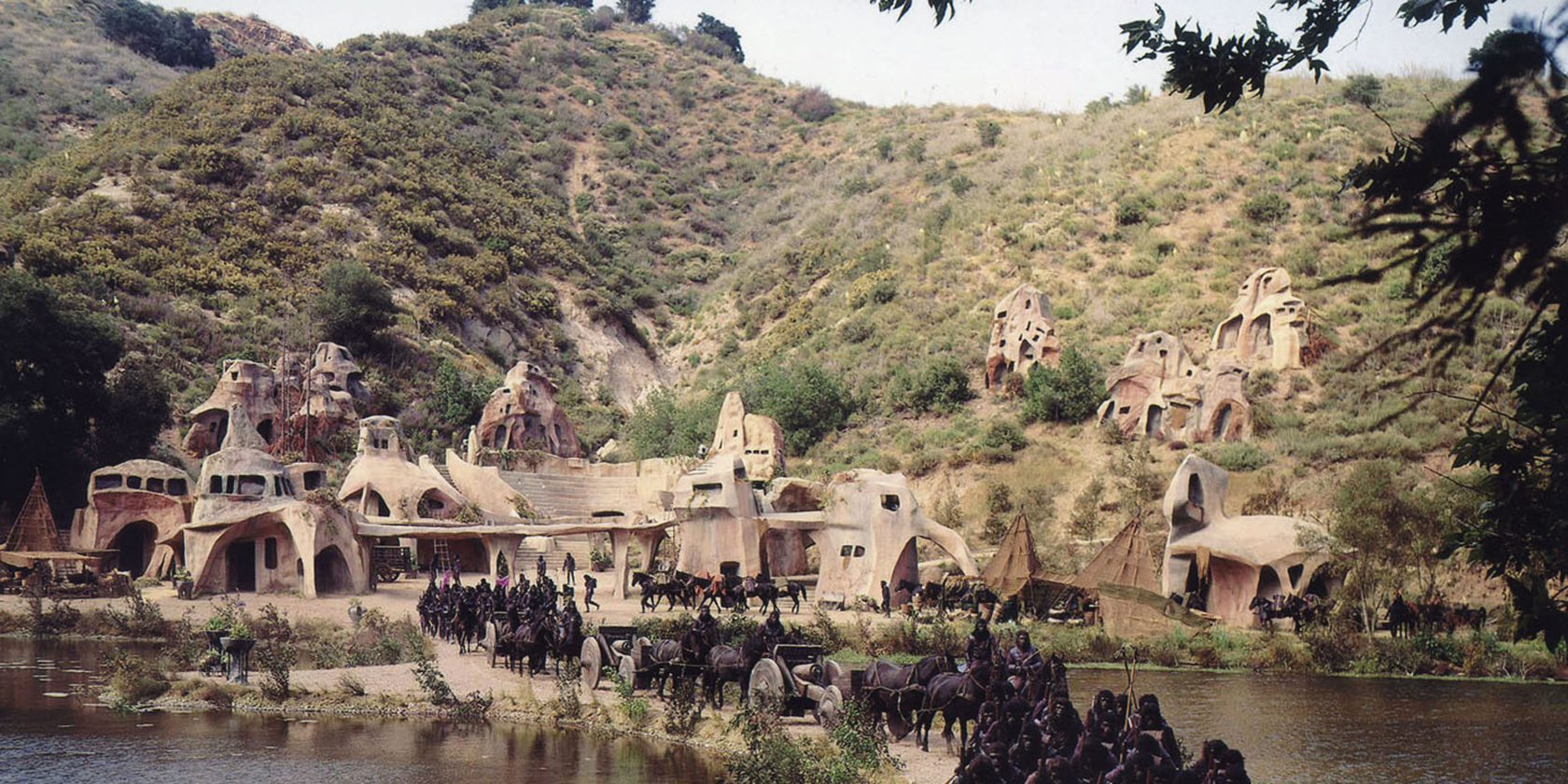
Planet of the Apes (1968) being filmed at Malibu Creek Ranch (now Malibu Creek State Park).
The most famous production here was MASH*, which used the park’s rolling hills as Korea. Long after filming ended, the show’s compound remained, slowly decaying until it became part of the landscape. Today, a few structural remnants still stand, but mostly Malibu Creek is about trails, water, and that big-sky feeling that cameras love.
It’s one of the rare parks where hikers and film history coexist without tension. No plaques screaming at you. Just a sense that something used to happen here, a lot.
Iverson Movie Ranch (Chatsworth)
From the 1910s through the 1960s, this movie ranch was used constantly—by just about everyone in Hollywood it seems. If you’ve seen a classic Western, there’s a good chance part of it was filmed here.
What remains today is a mix of protected open space and residential development, but the rock formations—the real stars—are still there. Massive sandstone outcroppings that look theatrical without trying. You can stand among them and immediately recognize the familiar angles, the silhouettes, the way the light hits in late afternoon.
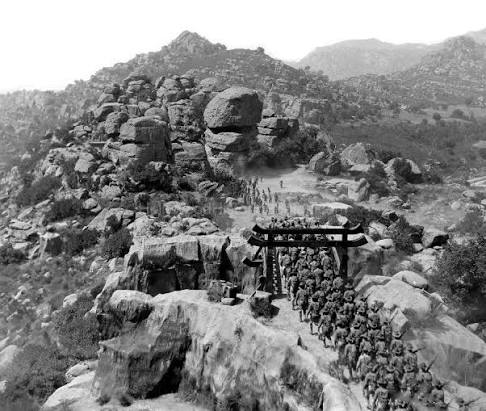
Iverson Movie Ranch, late 1920s: a large-scale Japanese-themed battle scene staged among the ranch’s iconic sandstone formations for Frank Capra’s “The Bitter Tea of General Yen.”
Corriganville Park (Simi Valley)
Corriganville was founded by actor and stuntman Ray “Crash” Corrigan, and you can feel that it was built by someone who knew exactly what productions needed. Lakes, hills, open flats, and enough room to crash horses safely. MGM loved it here.
Now it’s a city park, and one of the best examples of how movie ranches transitioned into public space without losing their identity. There are trails, interpretive signs, and enough shade to make it feel like a place locals actually use. Which they do. It’s a favorite for walkers, families, and anyone who likes their history mixed with fresh air.
Santa Clarita’s Former Republic Pictures Ranches
Republic Pictures specialized in serials and Westerns, and Santa Clarita was their playground. Much of that land has been absorbed into city parks and open-space preserves. You won’t find a single sign saying “Movie Ranch,” but the geography tells the story.
Wide valleys. Easy access. Hills that look dramatic without being difficult. This was working land for working productions. Today it’s working land for joggers, cyclists, and kids on scooters. Hollywood didn’t disappear here—it just stopped shouting.
Los Encinos State Historic Park (Encino)
Los Encinos is smaller and quieter than most movie ranches, but it played an important role in early filmmaking. Its adobe structures and water sources made it ideal for period pieces, and MGM used it frequently.
Now it’s a tucked-away state park that feels almost domestic. Ducks on the pond. School groups wandering through. It’s less about spectacle and more about continuity—how California history, film history, and everyday life overlap without fanfare.
Griffith Park (Los Angeles)
Griffith Park doesn’t get enough credit as a silent-era movie ranch. Long before it was hiking trails and observatories, it was a convenient wilderness just minutes from studios. Early filmmakers used it constantly.
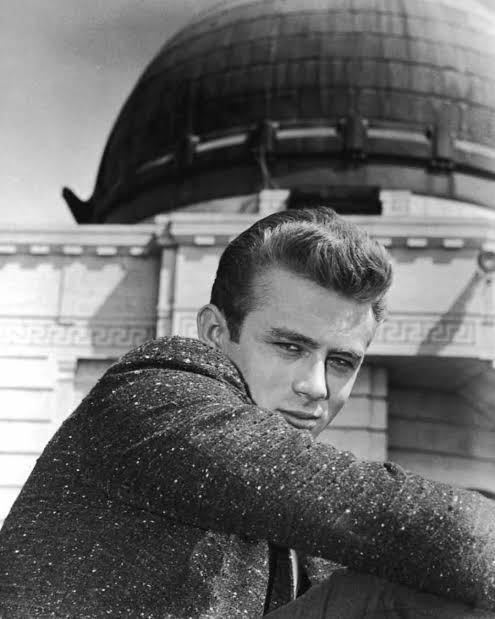
James Dean in Rebel Without a Cause at Griffith Park
You can still feel that improvisational spirit here. Griffith Park isn’t curated the way newer parks are. It’s sprawling, uneven, sometimes confusing—and that’s exactly why it worked for film crews who needed flexibility. It’s Hollywood’s backyard in the truest sense.
Vasquez Rocks Natural Area Park (Agua Dulce)
Vasquez Rocks looks like a movie set because it practically is one. Those tilted rock formations have appeared in everything from silent films to Star Trek. It was never a formal studio ranch, but it functioned like one.
Now it’s a county park, and one of the most recognizable landscapes in California. Even people who don’t know its name know its shape. It’s the rare place where geology and pop culture feel equally responsible for the view.
Big Sky Ranch (Simi Valley / Upper Las Virgenes)
Big Sky Ranch hosted major productions for decades, including Little House on the Prairie. Parts of it were lost to fire, but the land remains protected.
It’s quieter than you expect. Rolling hills, oak trees, open sky. The kind of place that doesn’t feel dramatic until you realize how many stories were told here simply because it was reliable. Hollywood values reliability more than beauty, and Big Sky had both.
Franklin Canyon Park (Beverly Hills)
Franklin Canyon is the surprise entry. Tucked just above Beverly Hills, it was a favorite for productions needing “nature” without leaving town. Lakes, hills, and trails all within shouting distance of Sunset Boulevard.
Now it’s a city park that feels like a secret. You go there to walk, think, and occasionally recognize a shot from an old movie without being able to place it. Which is exactly how Hollywood liked it.
Why These Places Still Matter
Movie ranches weren’t glamorous. They were practical. They made filmmaking possible at scale. And now, as parks, they do something even better: they give California back to itself.
You don’t need to love movies to enjoy them. You just need to like space, light, and the idea that places can have second lives. Hollywood passed through, told its stories, and moved on. The land stayed.
Visiting
- Paramount Ranch
2903 Cornell Rd, Agoura Hills, CA - Malibu Creek State Park
1925 Las Virgenes Rd, Calabasas, CA - Iverson Open Space / Chatsworth Park South
10062 Topanga Canyon Blvd, Chatsworth, CA - Corriganville Park
24612 N Old Rd, Simi Valley, CA 93065 - Santa Clarita Parks & Open Space (covers former Republic Pictures Ranch areas)
Santa Clarita, CA - Los Encinos State Historic Park
16756 Moorpark St, Encino, CA - 4730 Crystal Springs Dr, Los Angeles, CA
- Vasquez Rocks Natural Area Park
10700 Escondido Canyon Rd, Agua Dulce, CA - Big Sky Ranch / Upper Las Virgenes Open Space Preserve
(Western portion near Santa Susana Pass Rd, Chatsworth/Simi Valley, CA) - Franklin Canyon Park
2600 Franklin Canyon Dr, Beverly Hills, CA
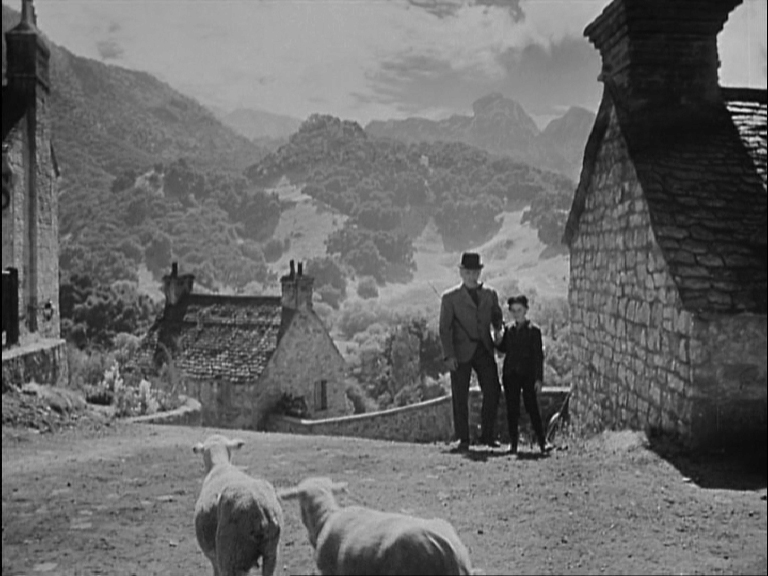
How Green was my Valley 1941 shot in Malibu Creek?